
Utah's changing environment impacts our health.
The Utah Health and Environment Action and Resilience Team (UHEART) was formed in 2023 to address the risks to public health posed by environmental changes occurring in Utah’s air, water, and temperature.
Our Mission
Foster awareness, prevention, and resilience at the intersection of health and environmental change.
Our Vision
Utahns make decisions based on our understanding that our changing environment impacts our health.
Stories
UHEART believes that sharing the stories of our community members inspires us to make change. Here you'll find success stories, experiences of health impacted by our changing environment, and more.

Air Quality Resources and Data
UHEART Recommendations
AQ & U
University of Utah researchers developed automated air quality forecasts that are optimized for the intermountain west, and these forecasts are intended to complement the Utah Division of Air Quality’s (UDAQ) forecasts. These forecasts are particularly important for individuals who reside in counties that do not receive air quality forecasts (because these counties lack reference monitoring stations).
*This map includes PM2.5 measurements from four different types of sensors: University of Utah’s AirU sensors, Tellus AirUPro sensors, Purple Air sensors, and The Utah Division of Air Quality regulatory monitors. It should be used as a supplement to the Utah Department of Air Quality 3 Day Forecast.
Mobile Air Quality Monitoring
From site: This website showcases a collaborative initiative to enhance air quality monitoring in Salt Lake County. Our mobile sensors on Utah Transit Authority electric buses and TRAXtrains provide accurate, real-time data across diverse neighborhoods. Together with the State of Utah’s air quality sensors, we offer a comprehensive view of air quality in Salt Lake County. Join us in discovering the different types of sensors we use and how air quality varies in your community.
Air Quality by County
HEAL Utah presents air quality by county at a glance.
AirNow Mobile App
Downloading a mobile app allows for real time updates about local air quality.
National Air Quality Monitors
*AQ&U includes data from these sensors.
TELLUS Airview
Collaborates with the Utah Division of Air Quality’s (UDAQ) to share data from UDAQ sensors.
Purple Air
Uses crowdsourced data from PurpleAir sensors in Utah.
General Resources
AirNow Activity Guide Publications
Guides on how to protect your health from unhealthy particle pollution and ozone, and a guide for schools.
AirNow Air Quality and Your Health
Pamphlets that inform Utahns on how their health is affected by poor air quality.
Pamphlets cover: Particle pollution, smog, ozone, additional risks for older adults, and how to best use the AirNow platform.
AirNow Asthma and Heart Disease Publications
Fact sheets about Asthma and Outdoor Air Pollution, and Heart Disease, Stroke, and Outdoor Air Pollution
AirNow Healthy Heart Toolkit and Research
EPA guide on how to protect your heart from poor air quality.
Indoor Air Quality
SLC Sustainability Guide to Indoor Air Quality
How to improve indoor air quality, how to build a DIY air purifier, and additional resources to improve your indoor air quality.
DHHS Asthma Home Visiting Program
An educational program for Utahns with asthma. Learn more about managing asthma, identify asthma triggers in the home and set goals to manage them, and receive continued support.
Huntsman Cancer Institute Video: Are You Breathing Radon
Informative video on radon exposure in the home.
UCAIR – What You Can Do
UCAIR provides a list of actions you can take at home, at work, and in your community.
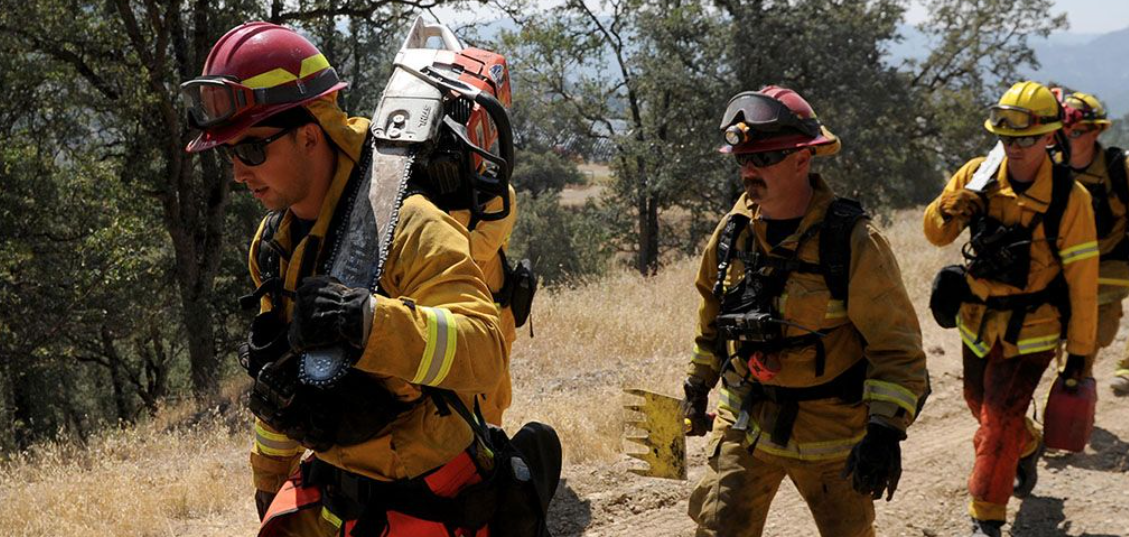
Wildfire Smoke
Ready.gov Wildfires
Ready.gov details preparation measures that individuals can take in advance of a wildfire.
Utah Firesense
A guide to preventative measures that reduce human caused wildfires.
Utah Fire Info
Wildfire information, resources, and a season summary and wildfire dashboard. Receive real time updates on the Utah Fire Info Facebook Page.
Fire and Smoke Map
Indicates if current local fire and smoke conditions are healthy for Utahns to go outdoors.
U of U Protect Children From Wildfire Smoke
One page guide on prevention measures that protect children from wildfire smoke.
Community Wildfire Planning
Community Wildfire Preparedness Plans(CWPP) are essential tools that outline strategies to address the risks of wildfire in the wildland urban interface through a collaborative planning process. Does your community have a CWPP? This page provides information to get started.
Data
DAQ Air Quality Trend Charts
Trends of major air pollutants by county. Phone forecasts for all counties 801-536-0072 or toll-free 1-800-228-5434.
IBIS-PH Air Quality
Information, indicator reports, and queryable data sets related to air quality.
IBIS-PH Asthma and Chronic Obstructive Pulmonary Disease
The IBIS page on information, indicator reports, and queryable data sets related to asthma and chronic obstructive pulmonary disease.
DEQ Interactive Map
Environmental interactive map that shares data on topics like nonattainment and maintenance areas, point source emissions, air monitoring by station, and permitting and compliance.
Utah Air Pollution Data Archive
The Utah air pollution data archive is divided into different reports, by pollutant. Each report includes pollutant concentration, as well as a historical summary report.
AirNow Maps and Data
Interactive map of air quality data and wildfire and smoke data.
Wildfire Data
Wildfire Risk Assessment Map
The Utah Wildfire Risk Assessment Portal (UWRAP) is a free, easy-to-use website with information, data, and resources to help you understand and identify your home and community’s wildfire risk. It’s goal is to empower homeowners, communities, fire departments, and municipalities to act in reducing their vulnerability to wildfire by giving them the necessary tools to identify and understand their wildfire risk.
NWS Fire Weather Watch
Considers pre-existing fuel conditions and forecasted weather conditions to assess threat of wildfire ignition and spread. Learn more about specific conditions by region on the Local Programs Page.
DNR Communities at Risk
From site: During the evaluation process, communities throughout Utah that are at risk from wildfire are determined by professional wildland fire officials using the standard methodology linked below. Multiple risk factors are analyzed for each community such as: wildfire occurrence, structure susceptibility, local vegetation conditions, infrastructure, and firefighting capabilities.
Future Climate Dashboard
Learn more about Utah’s future fire risk in both low and high continued emissions scenarios. Select “Utah” as the location and “Fire Danger” as the data.
Temperature Resources and Data
Resources
Red Cross Heat Safety Checklist
Factsheet on how to be prepared when extreme heat is in the forecast.
Heat Related Illness Warning Signs
Indicators of heat stroke, heat exhaustion, heat cramps, and sunburn and what to do if you experience them.
SLC Cool Zones(Cooling Centers)
Resource for Salt Lake residents to find their nearest cooling center. Residents in other countries should call the 211 line for local cooling centers.
Code Blue Map(Warming Centers)
The Code Blue Map shows resource centers in Utah by county.
Ready.gov Winter Weather
Ready.gov details preparation measures that individuals can take in advance of winter weather.
HEAT.gov Resources and Guides
Tools and resources to prepare for a heat wave. From creating a personal heat safety plan to checklists for your home, these resources cover everything from emergency kit essentials to tips for cooling your living space.
CDC Heat and Health Site Index
Information about the connection between heat and health and guides for groups with additional risk.
Heat Action Plan
How to make a heat action plan with your doctor. This is especially important for groups that are at additional risk for heat related illness and death.
Data
IBIS-PH Health Indicator Report of Climate Effects on Health: Temperature
Annual average maximum heat in the warm season from 2001-2019 in Utah counties.
NWS Heat Index
The Heat Index is a measure of how hot it really feels when relative humidity is factored in with the actual air temperature. As an example, if the air temperature is 96°F and the relative humidity is 65%, the heat index--how hot it feels--is 121°F! Heat index is an important consideration for the human body's comfort and is often called the "feels-like" temperature.
NWS HeatRisk
HeatRisk provides a forecast risk of heat-related impacts and is divided into five categories, taking into consideration 1) how unusual the heat is for the time of the year, 2) the duration of the heat including both daytime and nighttime temperatures, and 3) if those temperatures pose an elevated risk of heat-related impacts based on data from the CDC.
Wet Bulb Globe Temperature
Wet Bulb Globe Temperature uses temperature, humidity, and other weather parameters like sun angle, cloud cover, and wind. WBGT is calculated in direct sunlight, but does take into account forecast sky cover. The tool is an effective indicator of heat stress for active populations. More information on WBGT can be found here.
Water Resources and Data
Conservation
Ready.gov Droughts
Ready.gov details preparation measures that individuals can take in advance of a drought.
Conserve Water Utah
The Conserve Water Utah page provides resources to help you conserve, data on our current water supply and what Utah is doing to preserve and protect our water.
Slow the Flow
“Slow the Flow. Save H2O.” is an educational campaign funded by the Governor’s Water Conservation Team to raise awareness and empower Utahns by connecting them to water-saving resources.
Utah Drought.gov
How drought is affecting your region, drought by sector, and upcoming events and news related to drought.
Utah Information on the Great Salt Lake
Utah.gov’s page about protecting and preserving the Great Salt Lake. This includes current conditions, news, and the latest updates on the lake.
Utah Department of Water Resources - Drought Response Plan
The drought response plan provides a framework for Utah to coordinate a response to a drought emergency.
Regional Water Conservation Goals
The state’s Regional Water Conservation Goals, established in 2019, are for Utah’s nine municipal and industrial (M&I) areas. M&I includes residential, commercial, institutional (for example, schools and parks) and industrial water use, but excludes agriculture, mining, and power generation as these are classified individually.
Water Safety
Recreational Water Quality
Utah Recreational Water quality monitors for harmful algal blooms(HABs) and Waterborne pathogens (E. coli). This page provides current conditions, information about HABs and E. coli, and response agencies/resources.
Recreational Waters Map
A map to see if your recreational water sources(lakes, rivers, etc.) are safe for recreation.
Drinking Water Emergency Preparedness
Drinking Water Emergency Preparedness provides drinking water emergency resources.
Floods
Ready.gov Floods
How drought is affecting your region, drought by sector, and upcoming events and news related to floods.
Flood Risk for Property Owners
This Utah Flood Hazards and Floodplain Management page provides steps for homeowners to reduce their flood risk and how to read and understand floodmaps.
Flood Mitigation
This Utah Flood Hazards and Floodplain Management page provides resources to prepare for flood mitigation.
Data
Drought and Public Health
The Drought and Public Health page provides a public health and drought conditions map, drought impacts on public health, drought early warning for the public health sector, and additional datasets and maps about drought and public health.
Utah Division of Water Quality(UDEQ) Water Quality Databases and Information
The UDEQ Databases and Information page provides links and resources for a variety of water quality data.
Utah Water Data
Current water condition data available from 373 monitoring locations with 40 types of continuously collected data.
USGS WaterWatch
From site: WaterWatch is a U.S. Geological Survey (USGS) site that displays maps, graphs, and tables describing real-time, recent, and past streamflow conditions for the United States.
Open Water Data
Publicly available data provided by the Utah Division of Water Resources.
Utah Division of Water Resources(UDWR) Water Reports
UWDR provides Utah state water plans and Utah river basin plans.
Drought.Utah.gov
The Drought.Utah.gov page provides resources,current conditions, and conservation strategies for drought in Utah.
Utah Environmental Public Health Tracking - Drinking Water Contamination
Information, data, and Utah health assessments related to drinking water contamination.
Reservoir Levels
From site: Data for reservoirs throughout the state can be explored below. Not every reservoir is included within this application. 47 reservoirs were selected based on data availability, consistency and for communicating water conditions throughout the state.
Great Salt Lake Elevation – Utah Division of Water Resources
This plot shows the elevation of both the north and south arms of Great Salt Lake. See the current elevations in the gray box. The default view begins in 2007, allowing you to track changes over time.
Health Indicator Report of Flooding
The report details the cost of flood damage in Utah from 1996-2021.
IBIS-PH Health Indicator Report of Recreational Waterborne Disease Outbreaks (RWBDO)
The report details recreational waterborne disease outbreaks in Utah from 1998-2023.
IBIS-PH Water Quality
Information, indicator reports, and queryable data sets related to water quality.
Utah Floodplain Mapping
Risk Mapping, Assessment, and Planning (Risk MAP) is the Federal Emergency Management Agency (FEMA) Program that provides communities with flood information products, risk assessment tools and planning and outreach support.
Drought - Climate Prediction Center
The Climate Prediction Center maps future projections of drought in the US.
Utah Drought Monitor
The US Drought Monitor provides a map of current drought conditions in Utah.
State Facility Water Conservation
A map of State Facility Water Consumption. This map is a result of H.B. 121. HB 121 mandates that any state government facility built or reconstructed on or after May 4, 2022 must limit lawn or turf to no more than 20% of its grounds.
Resources by Interest
UHEART curates resources for special interest groups to protect their health in a changing environment and to make a difference in their community.
Home Improvement
Resources for homeowners and renters to lower costs and increase sustainability.
Educators
A guide to lesson plans and resources for teachers with attached Standards Alignment guides.
Small Businesses
Incentives, funding opportunities, local networks, and toolkits for small businesses to lower costs and increase sustainability.
Local Governments
Resources for local governments and rural communities to improve community health and sustainability efforts.
Outdoor Workers
Resources and information for outdoor workers and their employers to protect health during extreme weather events.
Willy Lanier
Team Lead